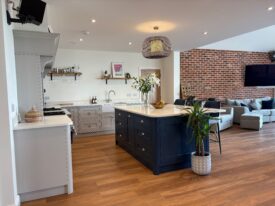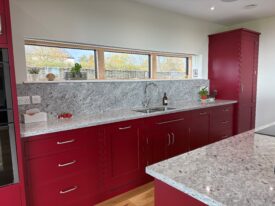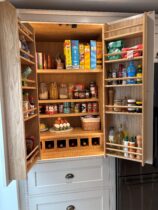
Warm Wood Tones in Your Kitchen
November 20, 2025
Wine Storage Tips for a Cosy Kitchen
December 11, 2025
Your Minimalist Kitchen Design
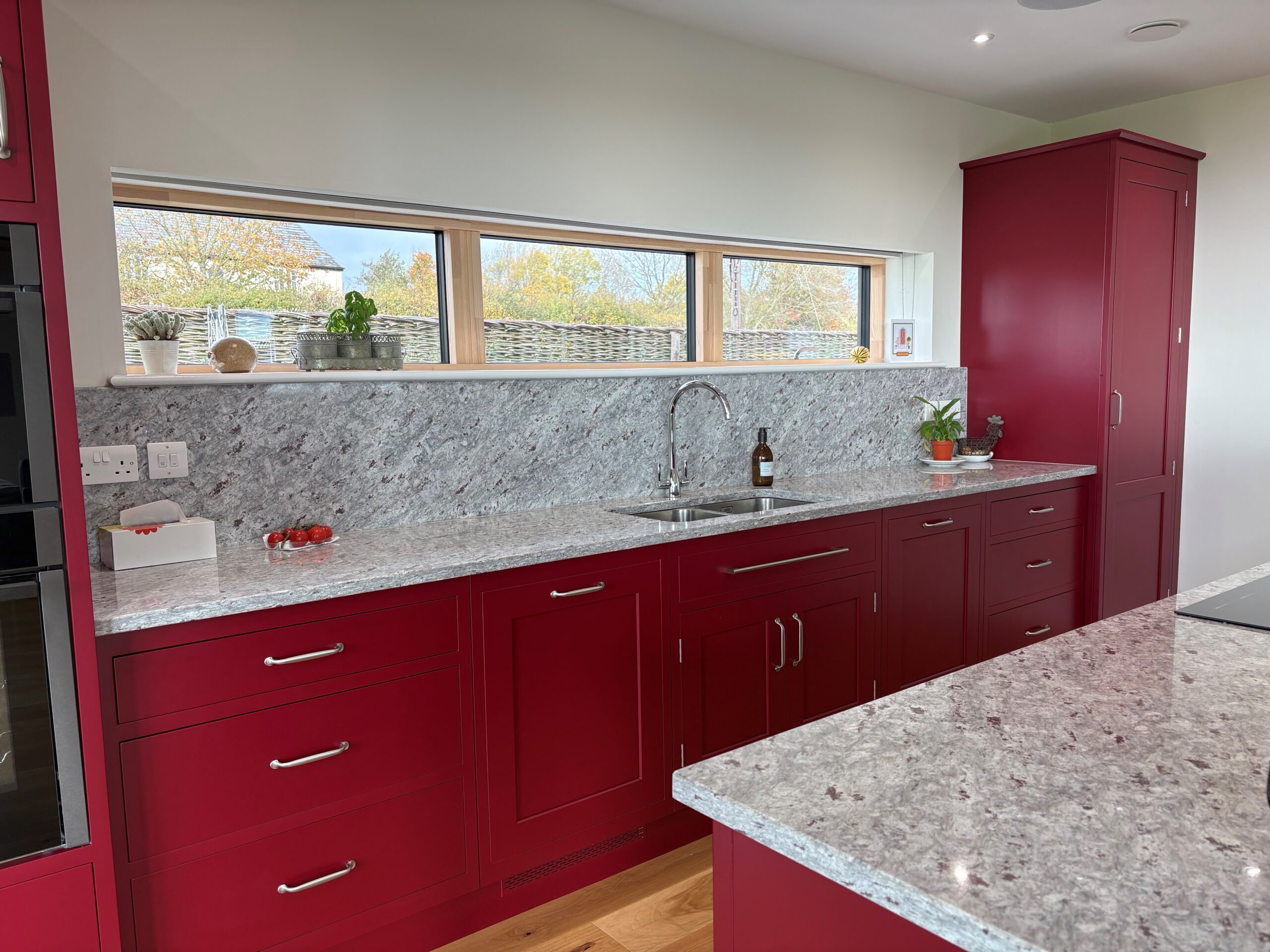
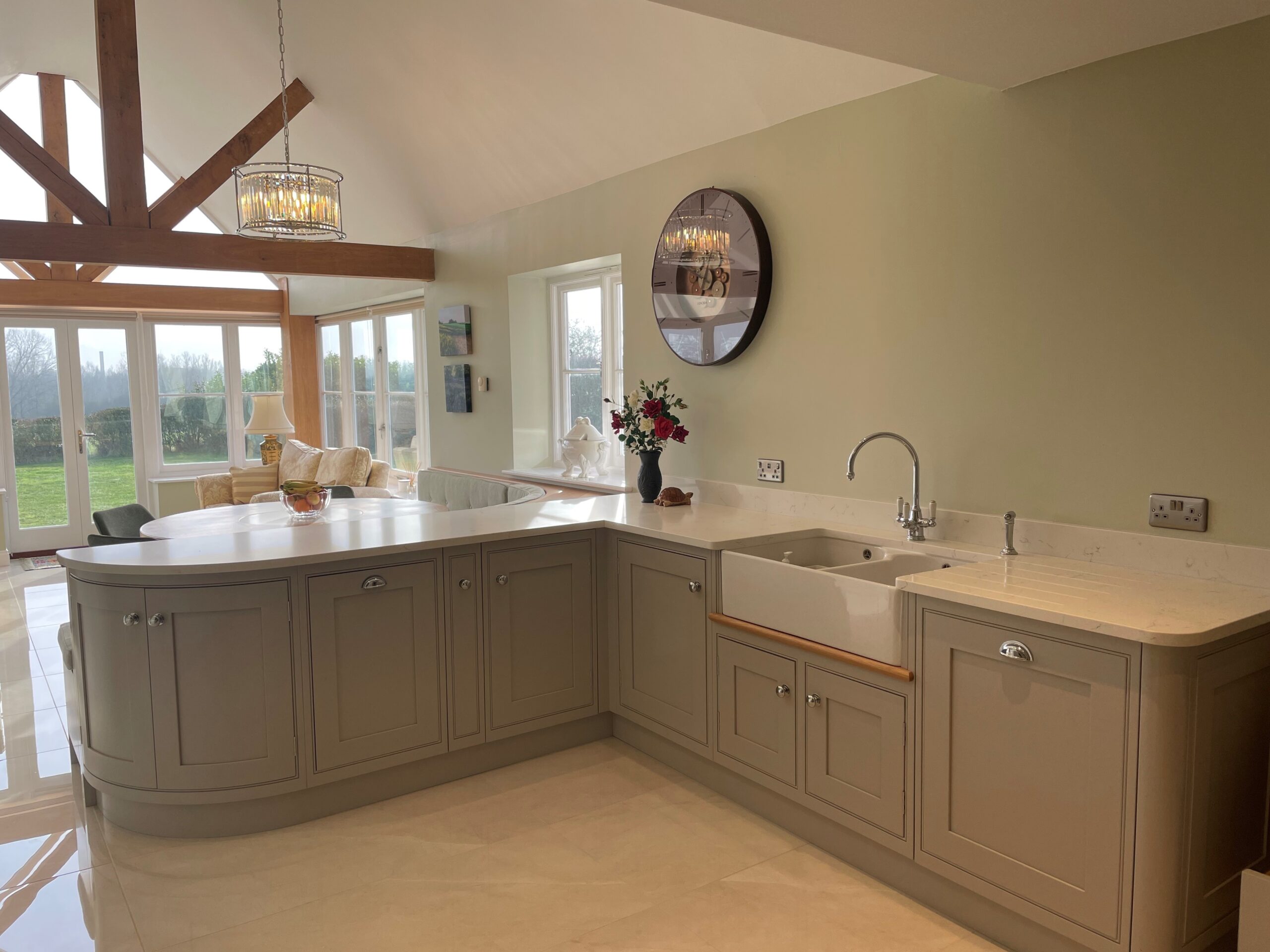
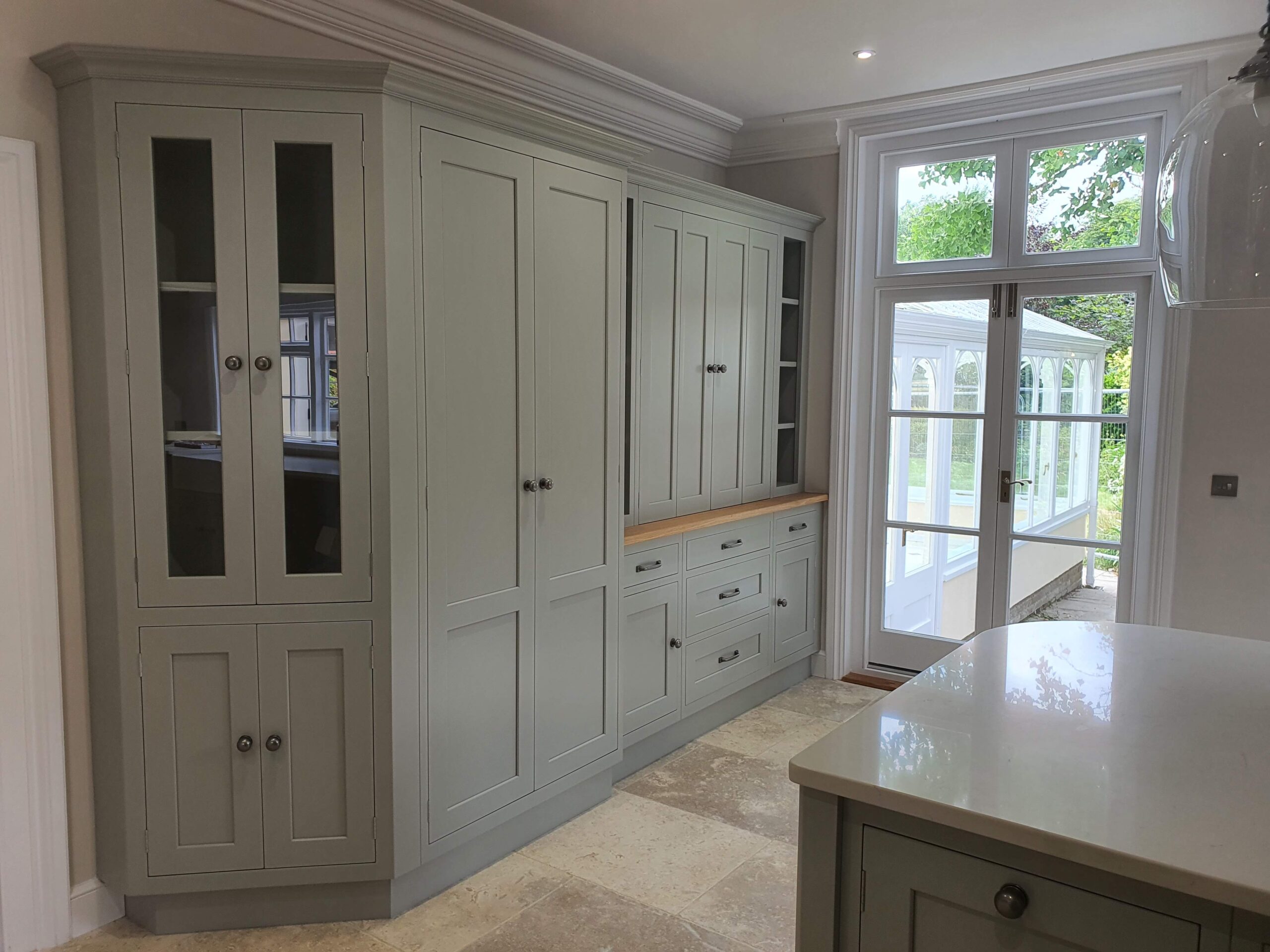
Minimalist kitchen design continues to gain traction in 2026, offering a refined approach that blends form and function seamlessly.
At its core, this trend is about creating kitchens that feel open, uncluttered, and thoughtfully arranged. By stripping back unnecessary elements, the focus shifts to the quality of materials and the intentionality of the design, resulting in a space that is both practical and visually calming.
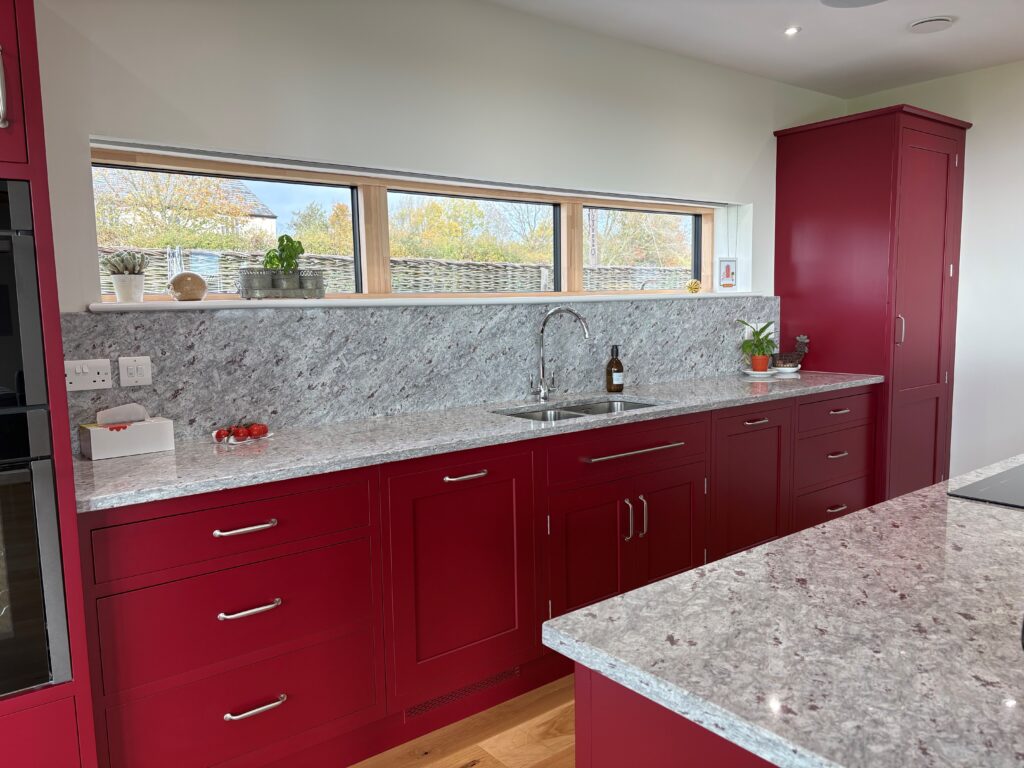
The key to achieving a minimalist aesthetic lies in the use of clean lines and understated details. Cabinetry with matt surfaces, handle-less doors, or discreet hardware can help maintain a streamlined appearance. The smooth, unembellished finishes not only create an elegant look but are also easy to maintain, ensuring the kitchen remains pristine and timeless. Selecting a neutral or monochromatic palette enhances the simplicity of the design, allowing other elements, such as natural materials, to take centre stage.
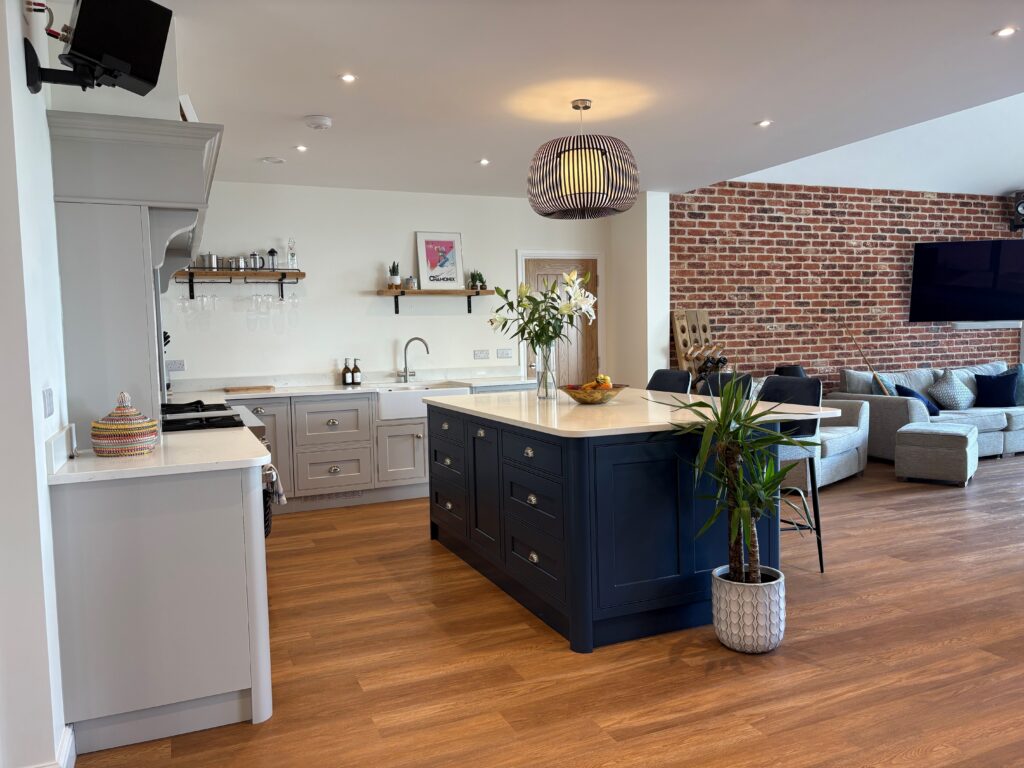
While minimalist kitchens often favour simplicity, they are far from dull. Incorporating high-quality natural materials, like natural stone and wood, adds texture and depth to the space, breaking up the uniformity while maintaining harmony. The combination of materials such as sleek stone worktops and wooden accents brings a subtle contrast that feels balanced and sophisticated. These carefully selected details ensure the kitchen retains a sense of warmth and personality without becoming overwhelming.
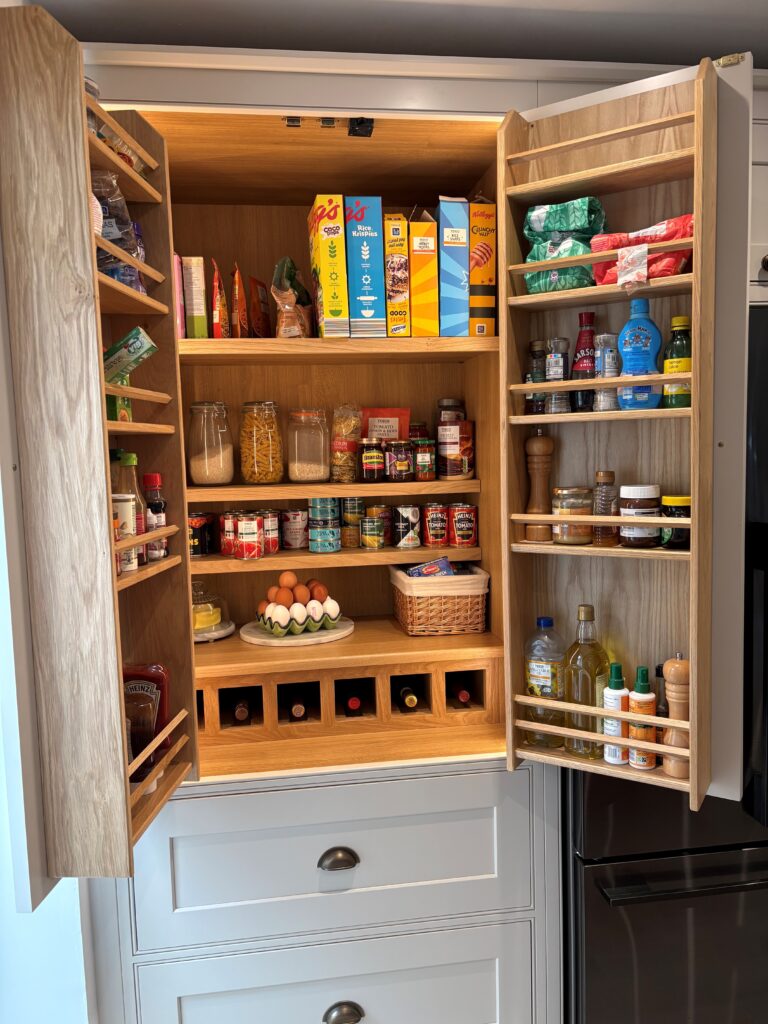
Storage solutions play a pivotal role in minimalist kitchens. The goal is to create a space that feels open and spacious, which can be achieved through smart and efficient storage. Concealed cupboards, pull-out drawers, and integrated appliances are practical choices that maintain the design's clean aesthetic while keeping everything organised and within reach. Open shelving, though sparingly used, can also provide a space for curated displays, adding a touch of individuality to an otherwise pared-back design.
Technology is another important component of minimalist kitchens. Multi-functional taps and integrated appliances not only enhance the functionality of the space but also contribute to its sleek, uncluttered look. Hidden features, such as built-in charging stations or pop-up power outlets, can further streamline the environment while meeting the demands of modern living. These innovations demonstrate how minimalist kitchens can be both efficient and forward-thinking.
Lighting is another essential element to consider. Thoughtfully placed fixtures, such as recessed lighting or pendant lights, can emphasise the clean lines and open feel of the space. Soft, warm lighting helps to create a welcoming atmosphere while highlighting key features like natural stone worktops or textured cabinetry.
Ultimately, minimalist design is about balance, where every choice serves a purpose and contributes to the overall harmony of the kitchen. By embracing this approach, you can create a space that feels timeless, functional, and effortlessly stylish.